Buying a used car can be one of the most exciting purchases you make, offering the freedom of the road without the steep depreciation of a brand-new showroom model. However, the used car market is also a minefield of potential pitfalls. Among the most dangerous of these is a car with a hidden accident history.
While a shiny coat of wax and a vacuumed interior can make any vehicle look pristine, they can also mask serious structural damage from past collisions. Understanding why accident history matters—and how to uncover it—is the most critical step in protecting your wallet and your safety.
Why “Minor” Accidents Are a Major Problem
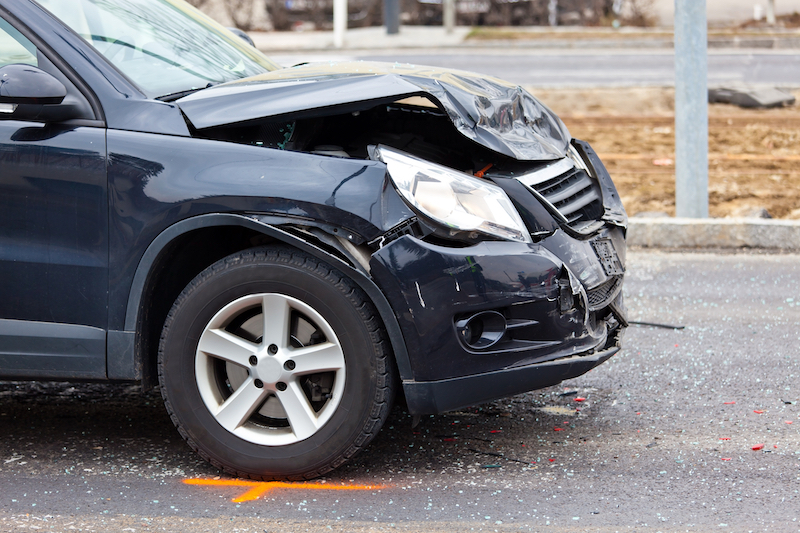
Sellers often downplay previous damage, using terms like “fender bender” or “minor scrape.” However, even seemingly small accidents can have lasting consequences if repairs weren’t carried out to manufacturer standards.
Structural Integrity: Modern cars are designed with “crumple zones” to absorb impact. If a car has been in a crash and these zones were repaired poorly (or simply patched up aesthetically), the vehicle may not protect you in a future accident.
Resale Value: A car with a recorded accident history is worth significantly less than one with a clean slate. If you buy a car unaware of its past, you will take a massive financial hit when you eventually try to sell or trade it in.
Hidden Mechanical Gremlins: The impact of a crash can damage components deep inside the vehicle, such as the steering rack, suspension alignment, or electrical wiring. These issues often don’t surface during a quick test drive but can lead to expensive repairs months down the line.
Warning Signs You Can Spot Yourself
Before you commit to buying, do a thorough physical inspection. While not foolproof, these signs often indicate previous bodywork:
Inconsistent Panel Gaps: Look at the spaces between the doors, bonnet, and boot. If the gap is wide on one side and narrow on the other, panels may have been replaced or realigned poorly.
Paint Mismatches: Inspect the car in varying light. Fresh paint often has a slightly different texture (orange peel effect) or shade compared to the factory coat on the rest of the car.
Welding Marks: Lift the carpet in the boot or check under the bonnet. unusual welding marks or crinkled metal are red flags for structural repairs.
The Only Way to Be Sure
Physical inspections have their limits. A professional body shop can mask damage so effectively that even experienced mechanics might miss it at first glance. Furthermore, in the UK, insurance write-offs are categorized (Cat A, B, S, N), and while some can legally return to the road, you need to know exactly what you are buying.
The only definitive way to know a vehicle’s true past is through a comprehensive data check. This is where services like UK Car Inspect become invaluable.
By running a check through https://ukcarinspect.co.uk/, you can instantly access vital data that the seller might not disclose (or might not even know themselves). These reports typically cover:
Accident History: Whether the car has been recorded as an insurance write-off.
Outstanding Finance: Ensuring the car doesn’t belong to a finance company.
Mileage Discrepancies: Verifying the odometer hasn’t been clocked.
Stolen Status: Checking police databases to ensure the vehicle is legitimate.
Conclusion: Don’t Gamble with Safety
The cost of a vehicle history check is a tiny fraction of the price of the car, yet it offers priceless peace of mind. Driving away in a vehicle that is structurally unsafe or financially encumbered is a nightmare scenario that is easily avoidable.
Before you hand over any cash or sign any paperwork, take control of the transaction. Visit UK Car Inspect to get the full story on your next potential purchase. It’s not just about getting a good deal; it’s about ensuring the safety of you and your passengers.